A new report from Heart & Stroke shows that heart disease and stroke continue to affect millions of Canadians, with lifestyle and medical risk factors on the rise despite decades of progress in prevention and treatment.

Shauna Courchene found out she had a hole in her heart in 2019. She now advocates for heart health awareness
According to the report By the numbers: the state of risk factors for heart disease and stroke in Canada, more than six million people across the country are now living with heart disease or stroke — a higher number than previously estimated.
The report looks at a wide range of risk factors, including lifestyle habits, medical conditions and factors people cannot change, such as age and genetics. Lifestyle risks include diet, physical activity, tobacco and nicotine use, stress and sleep, while medical risks include high blood pressure, high cholesterol and diabetes.
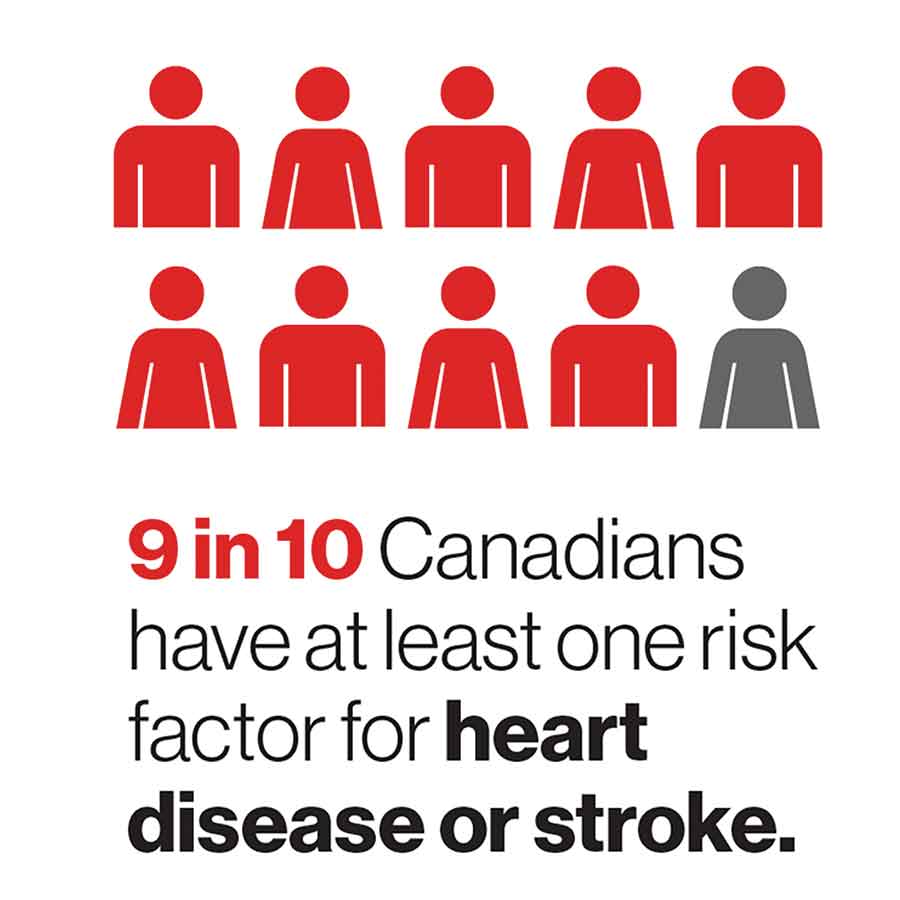
“While there have been advances around understanding, reducing and managing risk, nine in 10 people in Canada have at least one key modifiable risk factor for heart disease and stroke,” said Doug Roth, CEO of Heart & Stroke. “The good news is that almost 80 per cent of premature heart disease and stroke can be prevented.”
Heart & Stroke’s mission is to help Canadians beat heart disease and stroke, says Manitoba Mission Specialist Kaitlyn Archibald.
“We work together with people with lived experiences, sharing their stories and advocating for awareness, education and improved care,” she said.
She emphasized that 90 per cent of Canadians have at least one risk factor linked to heart disease or strokes, and only about half of Canadians know their risk.
“That leaves a large number of Canadians who have a risk factor and don’t know it,” she added. “Now it’s our job to help Canadians understand their risks and how to take action.”
Luckily, she said Canadians can reduce their risk of heart disease and stroke by 80 per cent by keeping a healthy lifestyle.
Shauna Courchene of Sagkeeng First Nation, who was diagnosed with an atrial septal defect — more commonly known as a hole in the heart — in 2019, shared her experience of living with a heart condition.
Courchene was in her 30s when she received the diagnosis after visiting a new general practitioner, who detected a heart murmur during an exam. She was referred for an electrocardiogram (ECG) and later an ultrasound, where a cardiologist confirmed the defect. Unsure of its size, doctors ordered further testing, and Courchene ultimately underwent bypass surgery on March 1, 2023.
“I was raised by my grandma, who I watched suffer with her own heart disease, so I knew how serious it was to take care of your heart,” Courchene said. “But when this started happening to me, it was scary knowing my health was at risk.”
Since her diagnosis, Courchene said she has made several lifestyle changes, including eating healthier, staying active and managing stress. She has also committed herself to raising awareness about heart health within her family, among friends and throughout her community.
“When you have a diagnosis, it’s important to remember you have to start small again,” she explained. “Acknowledging the small gains you make in your daily life can really benefit you down the line.”
Courchene continues to see her cardiologist at least once a year and has since returned to work full time, now prioritizing balance and rest to avoid overexertion.
While she said she was not aware of Heart & Stroke’s resources during much of her journey, she is grateful for the support now available to her.
“There is so much invaluable information and support that I wish I could have taken advantage of,” she said. “It would have eased me through that diagnosis, but now I try to take part in their programming and workshops whenever I can.”
She encourages anyone concerned about their heart health to reach out for help — whether through Heart & Stroke, a doctor or a nurse practitioner.
“Please listen to your body, understand the risks and find out what the best treatment plan for you is,” she added.
Heart & Stroke has a free online risk screening tool that gives users a full printable report outlining their risks. Upon completing the risk screen, users can take the printable health action plan to review with their primary care providers to discuss treatment plans, as well as discuss risk reduction options.
Risk for heart disease and stroke come in three categories: modifiable, such as healthy eating and lifestyle choices; medical, including high blood pressure, cholesterol and other health conditions; and non-modifiable, like genetics, air pollution and other factors beyond control.
From the Heart & Stroke report, By the numbers: the state of risk factors for heart disease and stroke in Canada, we learn that some trends show progress for risk reduction. Adult smoking rates have dropped dramatically over the past several decades, falling to 11 per cent in 2024. However, smoking remains the leading cause of preventable death in Canada, and vaping is a growing concern, particularly among youth.
Other lifestyle risks remain widespread. Only about half of adults meet recommended physical activity levels, and fruit and vegetable consumption has been declining across all age groups. Nearly one in four adults report feeling highly stressed on most days.
Medical risk factors are also increasing. More than 8.2 million Canadian adults have high blood pressure, the leading risk factor for stroke, while more than one in four adults has high cholesterol. Nearly 3.9 million Canadians are living with diabetes — more than three times the number recorded in 2000.
The report also highlights how risk is not evenly shared. Indigenous peoples and some racialized communities, including Black Canadians and people of South Asian descent, face higher rates of heart disease and stroke due to longstanding social and health inequities. Women also experience unique risks at different stages of life, including during pregnancy and menopause.
Despite these challenges, the report notes a major success: deaths from heart disease and stroke have fallen by more than 80 per cent over the past 70 years, thanks to research, awareness, improved care and public policy.
Archibald shared that Heart & Stroke advocates for health policy change across the country to reduce the risk of heart disease and stroke in Canadians. This advocacy includes smoking, vaping and nicotine product restrictions, promotion of healthy eating habits and physical activity, alongside efforts for a national pharmacare program which passed in October 2024.
Worldwide, February is Heart Month, and Heart & Stroke uses this opportunity to, “stir the conversation on checking into your own heart and brain health,” Archibald said.
“It’s a time where we can encourage Canadians to be aware of their risk factors and support them however we can to have those conversations, advocate for their own health and provide them with the information they need to reduce their own risk factors for heart disease and stroke.”
Year round, Heart & Stroke encourages individuals to learn more about their personal risk, talk with healthcare providers and take steps toward healthier lifestyles. They also accept donations on their website with proceeds supporting their mission priorities of research and advocacy for improved heart and brain health for all Canadians in order to “promote health, save lives and enhance recovery.”
More information, including the full report and a free online risk screening tool, is available at heartandstroke.ca. You can also reach out to Kaitlyn Archibald at Kaitlyn.archibald@heartandstroke.ca to learn more, or to get involved with Heart & Stroke volunteer efforts.