Selkirk resident Shannon Bayluk is using her lived experience with heart disease and stroke to help “change the face of stroke.”
“I share my story to bring awareness to the fact that heart disease and stroke affect young people too,” Bayluk said.
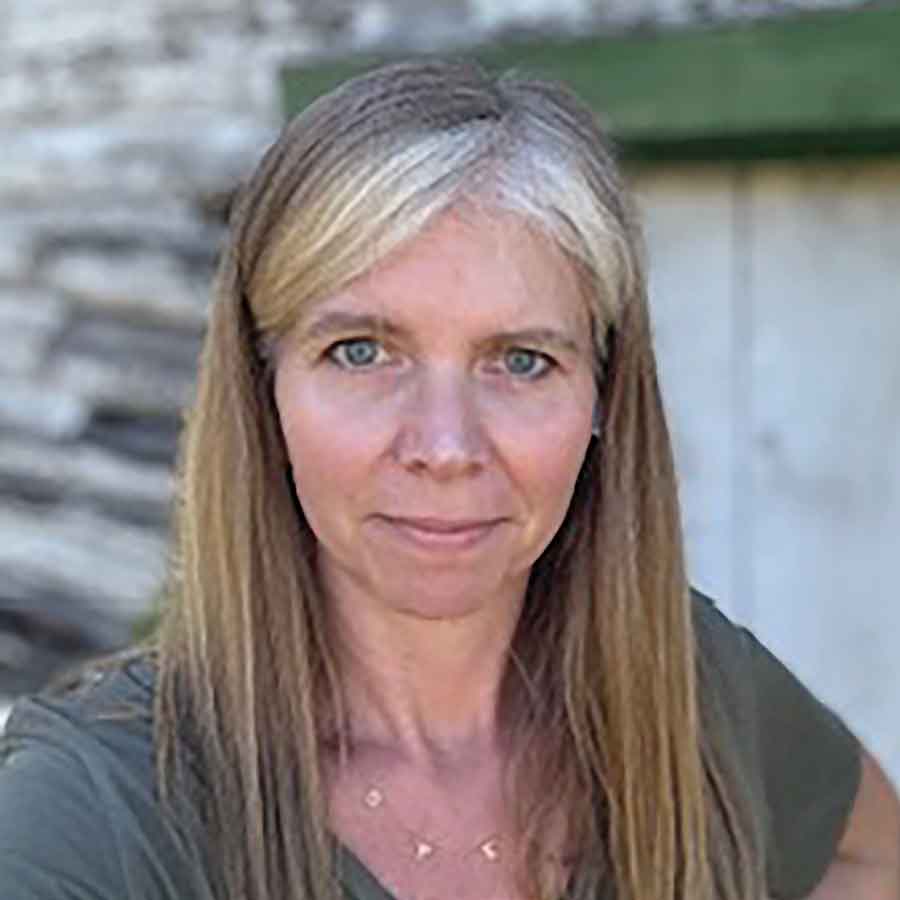
Selkirk stroke survivor Shannon Bayluk is using her experience to raise awareness about heart disease and stroke
Bayluk was 46 when she suffered her first stroke in July 2020. Since then, she has experienced additional strokes and seizures and was diagnosed with a patent foramen ovale (PFO), a hole in the heart that required surgery.
At the time of her first stroke, Bayluk dismissed her symptoms as a pinched nerve. Testing later confirmed she had, in fact, suffered a stroke. She spent weeks in hospital and in a specialized rehabilitation facility during the COVID-19 pandemic, when strict no-visiting rules meant she was alone throughout much of her recovery.
The stroke left the left side of her body paralyzed — a particular challenge as she is left-handed. She had to relearn how to walk, talk and write, and even simple daily tasks were difficult.
“It was like I was trying to control a rocket,” she said.
Despite the challenges, Bayluk said she is grateful to be alive and for the support she has received from family and friends.
“I was scared every day, not sure what was next,” she said. “Not able to walk or do the simplest of tasks that only days before I could do. I could see fear in people’s faces.”
She said that fear can still linger.
“Some days I still see it when I don’t feel well or if I stumble. I don’t think anyone ever really lets their guard down after an experience like this,” she said.
During her hospital stay, Bayluk learned the hole in her heart was the cause of her stroke. A cardiologist explained that abnormal blood flow allowed a clot to travel to her brain, resulting in an ischemic stroke.
Before her diagnosis, Bayluk said she was aware of ways to reduce the risk of heart disease and stroke. Her father experienced stroke-like symptoms and had a pacemaker implanted in the early 2000s.
She knew that eating well, reducing stress and maintaining a healthy lifestyle could lower risk, but said those measures do not eliminate it entirely.
Now six years into recovery, Bayluk is using her voice to educate, advocate and raise awareness with Heart & Stroke. She hopes to break the stigma that heart disease and stroke only affect older adults.
“I want to dedicate my time to helping stroke survivors accept where they are post-stroke and navigate the next steps,” she said. “I don’t want people to walk blindly like I did.”
Looking ahead, Bayluk said she would like to see a centralized hub created where stroke survivors can access resources and receive support as they transition back to daily life.
She also encourages people to understand their risk factors, speak with their family doctors and remember the signs of stroke using the FAST test: facial drooping, arm weakness, slurred speech and time to call for emergency help.