Retired Manitoba wildlife biologists and longtime hunters are urging Ottawa to reconsider a proposal that would allow tundra swan and mourning dove hunting seasons in the province as early as 2028.
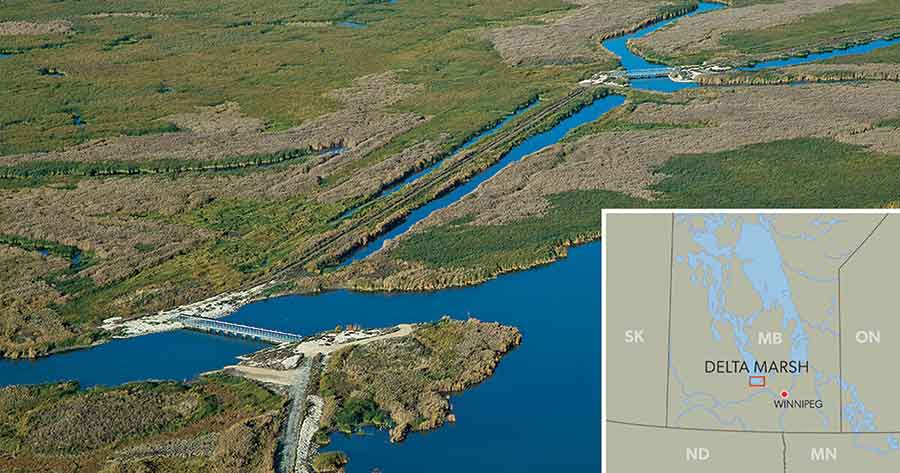
Delta Marsh provides vital habitat for swans, ducks and other migratory birds. Critics of a proposed tundra swan hunting season say protecting long-term species management must remain a priority
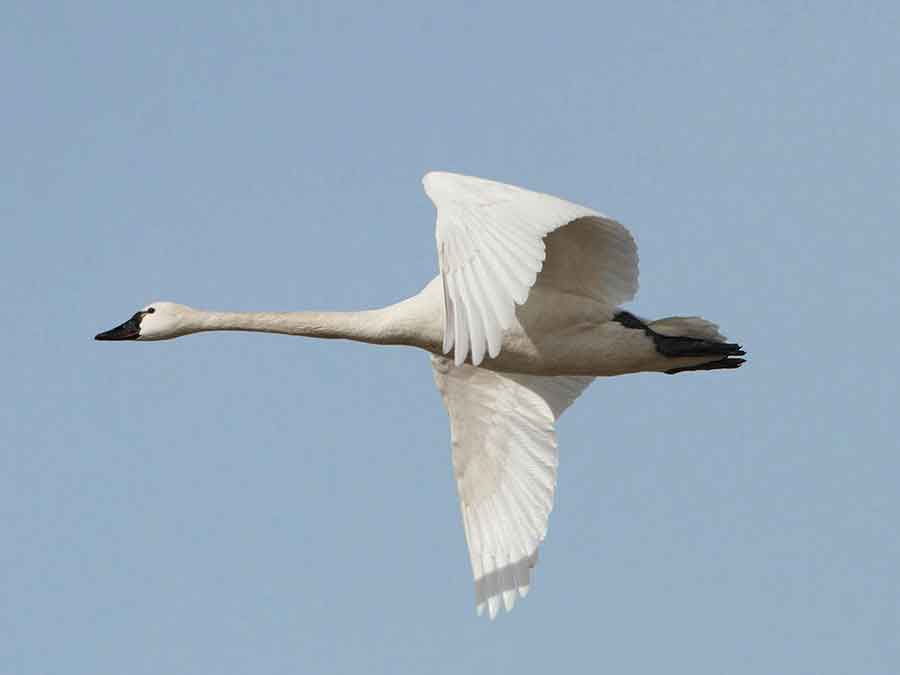
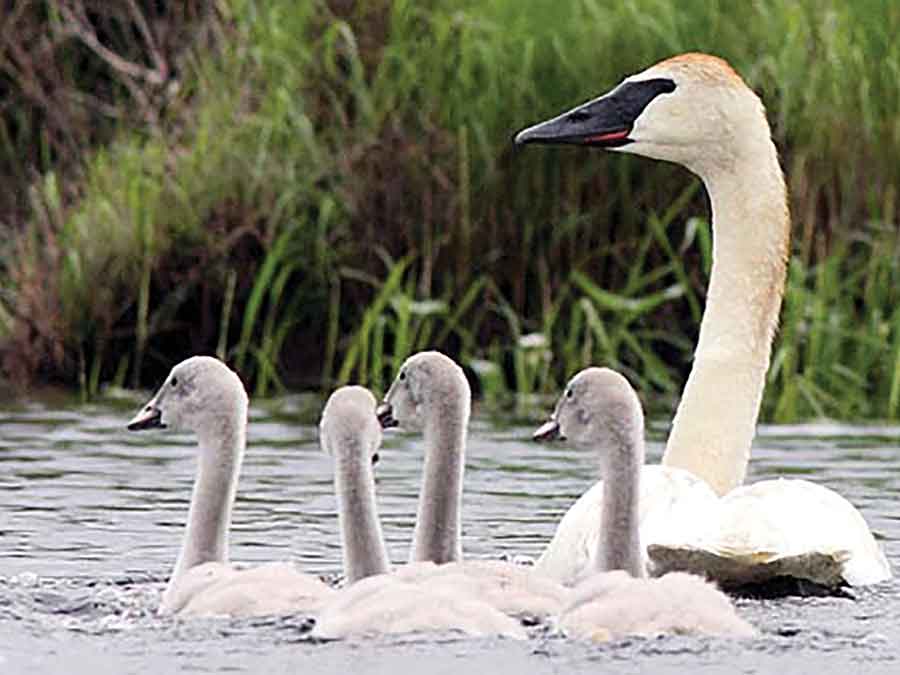
A tundra swan (left) and a trumpeter swan are shown side by side. Retired Manitoba wildlife biologists say the two species can appear strikingly similar in field conditions, raising concerns about potential misidentification if a tundra swan hunting season is introduced
The proposal would allow up to 400 tundra swan permits to be issued annually in Manitoba, aligned with existing fall migratory bird hunting timelines. Permits would likely be distributed through a random draw using an electronic licensing system. The proposed daily bag limit is one tundra swan per permit, with hunters restricted to a single permit per season. According to information published by the Government of Canada, officials estimate approximately 148 individual hunters would ultimately harvest a tundra swan each year.
In Manitoba, however, opposition is coming not only from non-hunters, but from veteran wildlife biologists, conservation educators and lifelong hunters who argue the proposal is unnecessary — and potentially harmful.
Ted Muir, a former Manitoba Wildlife educator, founding lead at Oak Hammock Marsh and lifelong waterfowl hunter, said he was stunned when he first heard of the proposal.
“As a naturalist and waterfowl hunter, I was completely taken aback,” he said. “We are blessed in Manitoba to have a bounty of waterfowl hunting opportunities — especially in the prairies. There is absolutely no need to introduce these new seasons.”
Muir’s greatest concern centres on trumpeter swans — a species that was once nearly wiped out across much of North America. Recovery efforts began in earnest in 1988 when Minnesota’s Nongame Wildlife Program launched a restoration initiative, incubating and raising birds at the Carlos Avery Wildlife Management Area. Over the years, those efforts have helped nesting pairs gradually re-establish themselves in Manitoba, including in areas such as Hecla Island, Oak Hammock Marsh and Delta Marsh.
Tundra and trumpeter swans can appear strikingly similar, particularly at a distance or in shifting light. While experienced observers can distinguish them — trumpeters are generally larger, with longer bills and subtle differences in facial markings — critics argue that in real-world hunting conditions, mistakes are possible.
“Introduction of this new swan hunting season could reverse the positive gains that have been made to restore trumpeter swans to their historic range,” Muir said.
The United States already permits hunting of tundra swans and mourning doves in some jurisdictions with higher population densities. But Muir believes Manitoba does not need to mirror American policies.
“Just because they do it doesn’t mean we have to,” he said. “Trumpeter swans are a valuable resource in Manitoba, attracting residents and visitors who travel far and wide to view these magnificent birds on many of Manitoba’s wetlands.”
He emphasizes he is not opposed to hunting. As a hunter himself, he says ethical harvest and conservation are core values of the tradition. What concerns him most is the potential for misidentification — and the risk of damaging public trust in the hunting community.
“Just because you can do something doesn’t mean you should,” he added.
Hannah Boonstra, spokesperson for Environment and Climate Change Canada (ECCC), said tundra swan and mourning dove hunting seasons have not yet been introduced as formal regulatory changes. The department is currently reviewing feedback after outlining the potential additions in its Notice of Consideration.
She explained that Canadian hunting regulations are reviewed and amended every two years, with input from provinces, territories and other stakeholders.
“When a new hunting season for a species that is not currently harvested in a jurisdiction is under consideration — as is the case for tundra swan and mourning dove — it is first posted as a Notice of Consideration for the Canadian public to review and comment on,” she said. “If the season is pursued, it is posted as a regulatory proposal two years later for public comment and may contain adjustments that reflect comments or concerns received during the first public consultation.”
In addition to public feedback, ECCC considers population trends and statistical data when determining whether to proceed.
Dr. James Duncan of Balmoral, former director of Manitoba’s Wildlife and Fisheries Branch and a lifelong owl researcher — as well as a deer hunter — views the proposal through a broader conservation lens.
He notes that federal avian studies continue to show long-term declines in many bird species, particularly grassland and insect-eating birds.
These trends are shown in the 2024 Bird Canada Study with 36 per cent of Canadian species declining since 1970 with grassland, insectivorous and shorebird species hit the hardest.
While duck and goose populations remain relatively strong, he questions whether expanding game species should be a priority.
The Government of Canada website notes, “Not all waterfowl are adequately surveyed using breeding ground surveys because of issues related to distribution, density and timing of surveys relative to arrival of birds on breeding grounds,” adding that tundra swans are more effectively monitored through winter surveys. The survey used to track the eastern tundra swan population is conducted mid-winter in parts of southern Ontario, as well as along the Atlantic and Mississippi Flyways.
According to the Management Plan for the Eastern Population of Tundra Swans, the objective is to maintain a three-year population index of at least 80,000 birds. The current three-year average (2023 to 2025) is 92,755.
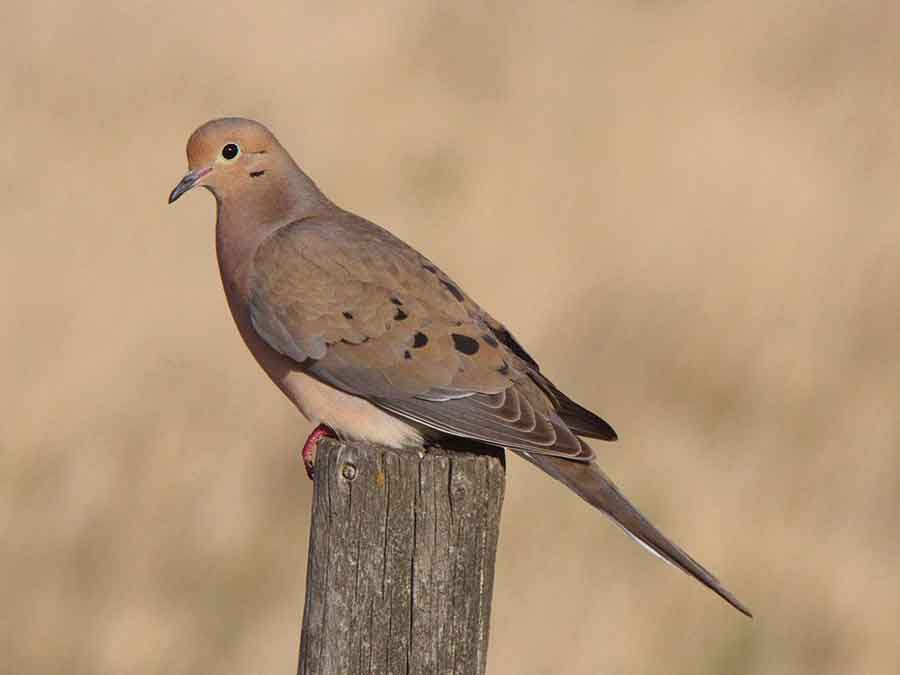
For mourning doves, population statistics were drawn from the Breeding Bird Survey (BBS) between 2007 and 2015. During that period, the survey estimated Manitoba’s breeding population at approximately one million birds — about 15 per cent of the national total. The Government of Canada website also states, “Since 1970, there has been no detectable long-term trend in the abundance of Mourning Dove’s in Manitoba’s portion of [Bird Conservation Region (BCR)] 11, which is the core of the species range in the province. However, the BBS shows a significant short-term increase (1.8% per year, 2012 to 2022) in the number of breeding Mourning Doves in the Manitoba portion of BCR 11.”
These population trends, meanwhile, still don’t justify newly regulated hunting seasons to the opposed hunters.
“Most people consider mourning doves to be songbirds,” Duncan said. “They’re associated with peace. Swans, meanwhile, are delicate and beautiful birds. Is it really worth it for the limited number of people who would actually harvest them?”
Duncan also points to the success of Minnesota’s trumpeter swan recovery efforts, calling them exceptional. Introducing a hunt for a nearly identical species, he suggests, feels counterintuitive.
“Even experienced observers can find it challenging in certain conditions,” he said. “Why take that risk?”
As a deer hunter, Duncan says he understands the role hunting can play in conservation and food security.
“I take great pride in responsibility for the land and animals,” he said. “I’m getting a fresh source of local, healthy food, helping manage populations and supporting the economy. But for these birds? I think we should remain watching them.”
Warren resident Doug Langrell, an educator, orchardist and lifelong hunter, described his reaction to the proposal as a mix of curiosity and discomfort.
“Through my hunting career, I’ve never considered either of these species as game birds,” he said. “I think of ear-pleasing tunes and beautiful ballets in the sky — not meat.”
Langrell questions whether harvesting swans or mourning doves serves any meaningful purpose in modern Manitoba.
“I doubt very many people need swan meat to survive,” he said. “It feels irrelevant in this day and age.”
Stonewall’s Murray Gillespie, a retired provincial wildlife biologist and former game bird manager with more than 45 years of experience tracking bird populations, also questions the necessity of the proposal. He said the introduction of a tundra swan hunting season would lead to an “incidental harvest of trumpeter swans,” risking setting back population numbers again. “Local nesting trumpeters would especially be vulnerable to harvest under the terms of this proposed season,” he added.
He notes that Manitoba already provides ample waterfowl hunting opportunities and emphasizes the province’s importance within continental migratory corridors.
“We are stewards of the land and resources,” Gillespie said. “Any decision that might pose a threat to long-term species management needs to be looked at carefully and not taken lightly. Stakeholder consultation needs to be part of the process of developing new hunting seasons.”
All of those speaking out stress that they are not anti-hunting. Instead, they say the issue comes down to conservation priorities, ethical considerations and maintaining public confidence in wildlife management.
They are encouraging Manitobans — hunters and non-hunters alike — to share their views with federal and provincial leaders as consultations continue.
“The government is giving us an opportunity to respond,” Duncan said. “It’s important that we exercise our democratic rights and express our thoughts and feelings about it.”
A provincial spokesperson with the Province of Manitoba is aware the federal government is seeking public comment for the proposed hunting seasons and said, “The province looks forward to the opportunity to review the results of this federal engagement.”
Letters can be submitted or emailed to federal and provincial ministers at: Honourable Julie Dabrusin, Minister of the Environment, and Climate Change and Nature House of Commons, Ottawa, Canada K1A 0A6, julie.dabrusin@parl.ga.ca, and Honourable Ian Bushie, Minister of Natural Resources and Indigenous Futures, Room 301-Legislative Bldg, 450 Broadway, Winnipeg, Manitoba R3C 0V8, minnrif@manitoba.ca. Public inquiries can also be made to ECCC at 1-800-668-6767 or enviroinfo@ec.gc.ca.


