Patients across southern Manitoba are expected to see improved access to care following the opening of a new inpatient unit at Boundary Trails Health Centre (BTHC).
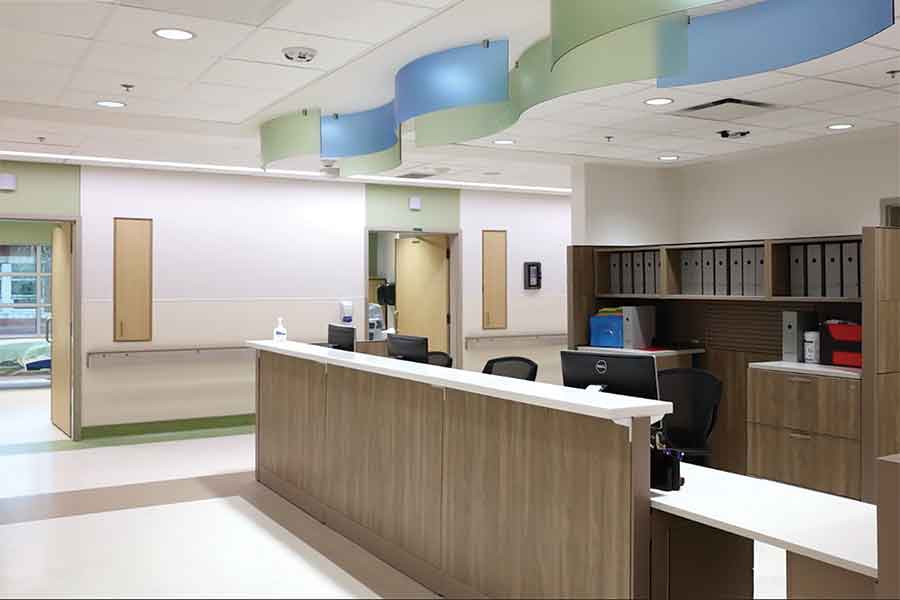
Boundary Trails Health Centre has completed construction of a 24-bed medical and palliative care inpatient unit, along with a new community services building, two air isolation rooms, a bariatric room, enhanced clinical spaces, an additional operating theatre, and expansions to both the emergency department and cancer care services
According to a Southern Health spokesperson, BTHC has been operating at 98 per cent capacity in recent years, underscoring the need for additional space. The new two-storey expansion adds 24 medical and palliative care beds to the growing regional facility — a move health officials say is necessary to keep pace with rapid population growth in Morden, Winkler and surrounding communities.
“This expansion represents a significant step forward for health care in our region,” said Kyle MacNair, implementation lead for Southern Health–Santé Sud. “The new inpatient unit will help meet the needs of our growing population while providing patients and families with modern, comfortable spaces designed to support high-quality care.”
The project was driven in part by sustained population growth in the region. The BTHC catchment area saw a 37 per cent increase in population between 2001 and 2019.
The added capacity is intended to ease pressure on existing hospital services while allowing more patients to receive care closer to home — an increasingly important factor as the region continues to expand.
While the additional beds will not change the need to transfer patients requiring a higher level of care to Winnipeg, officials say it will improve patient movement within the system.
“However, it will allow us better opportunity to bring patients home faster from Winnipeg or other sites,” a regional spokesperson said.
The new inpatient unit is one component of a broader redevelopment of the Boundary Trails campus. The project also includes a new community services building, two air isolation rooms, a bariatric room, enhanced clinical spaces, an additional operating theatre, and expansions to both the emergency department and cancer care services.
Describing the addition as “quiet and peaceful,” the spokesperson added that “it is a great place to recover and gain wellness while moving towards better health,” noting the inclusion of private rooms with personal bathrooms, natural lighting, and additional space for patients and families.
Future phases of the project will include upgrades to labour and delivery and the addition of a Level 2 nursery, with renovations expected to be completed in early fall 2027.
Recruitment efforts for additional staff are already underway to ensure safe patient ratios as the new beds come online.
x officials say the expansion reflects both immediate needs and long-term planning for continued regional growth.
In a release, the region said the project wouldn’t have been possible without community support, thanking the Province of Manitoba for its investment in health-care infrastructure.
Community fundraising also played a significant role. The Boundary Trails Health Centre Foundation contributed $10 million toward the project, with Phase 1 carrying a total cost of $64.9 million.
“The generosity of donors and community partners has been instrumental in bringing this expansion to life,” said Dana Human, interim CEO at Southern Health–Santé Sud. “Their support ensures residents can access more services closer to home.”
As patients begin to be admitted into the new space, officials say the expanded unit is already supporting both clinical and non-clinical teams in delivering care more efficiently.
“The additional beds will go a long way towards supporting the population growth in the area and ensuring we continue to provide care closer to home as often as possible,” said the spokesperson.
The additional capacity is expected to reduce strain on hospital staff and improve patient flow, though officials acknowledge that ongoing growth in the region will continue to shape future health-care planning.