June is National Indigenous History Month, a time to honour the culture and contributions of First Nations, Inuit and Métis people — including those right here in the Interlake-Eastern health region.
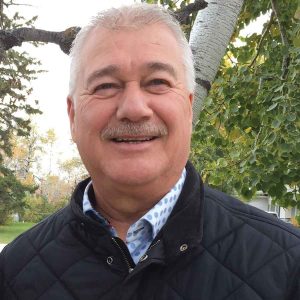
Robert Maytwayashing is a regional elder and knowledge keeper with Waabishki Bineshiins
It’s also a time to reflect on the impacts of colonization while taking tangible steps toward reconciliation.
Indigenous cultural perspectives are at the forefront for Waabishki Bineshiins, IERHA’s Indigenous-led health team committed to improving cultural safety, health equity and reconciliation within the health system. Waabishki Bineshiins supports patients in their health journey, helping them interpret health information and understand their options.
The team’s work is guided by the teaching that spirit must always come first. To honour this teaching, the team offered tobacco to an elder from one of the communities. Through ceremony, the team asked the elder to help find a name that would guide their work in a positive way. They received the name Waabishki Bineshiins, or White Thunderbird. This name reflects not only their spiritual foundation but also accountability to their relatives and communities. Each spring, they hold a ceremony and feast to honour the name.
Robert Maytwayashing, a regional elder and knowledge keeper with Waabishki Bineshiins, outlines the importance of Indigenous representation in health care.
“As a people, we have been systemically marginalized in all sectors of society. It’s been a long time coming to start to have Indigenous representation in the health-care system, not only for our region but for all regions across the province. It’s nice to see a familiar face when you enter these facilities,” he said.
“For the longest time, it was a rare occurrence to see an Indigenous person working in health care. Now there are starting to be more and more Indigenous people involved, and more so with our recent Indigenous Health team. They’re there to support our relatives when they enter the health-care system in one of our facilities — to help them navigate and also to support them.”
The Waabishki Bineshiins team is made up of three main roles: elders/traditional knowledge keepers, Indigenous social workers and skaabes.
Elders/traditional knowledge keepers carry Indigenous teachings from their ancestors and are knowledgeable in the ways of healing, spiritual care and ceremony. They may provide guidance for staff and patients, personal consultation, cultural care, and support and mentorship to patients and their families.
Indigenous social workers also play an important role by supporting and advocating for Indigenous families who are receiving care. With their knowledge of Indigenous teachings and health care, these social workers help with navigating the system through a cultural lens and facilitate safe care plans.
Rounding out the team are the Indigenous Health skaabes — an Anishinaabemowin word that refers to a helper who walks alongside elders, knowledge keepers and community members with humility, respect and a deep commitment to service. Skaabes ensure Indigenous patients receive appropriate and safe patient-centred care during their stay in the hospital and throughout the discharge planning process. At the same time, they help build bridges between Western medicine and Indigenous ways of knowing. They listen, guide and connect so patients and families feel supported during their health-care journey.
“We need more Indigenous people involved in all sectors of the health-care system,” Elder Maytwayashing added. “We need more doctors, nurses, psychologists, social workers, support staff and senior leadership, the whole gamut.”
In his view, events such as National Indigenous People’s Day on June 21 also help to dispel myths and misinformation about Indigenous people and culture.
“When we have annual event such as this, it’s a friendly reminder that we’re still here. We’re not going anywhere,” he said.
“The sooner we learn to understand, respect and appreciate each other, the better off we’re all going to be.”
The Waabishki Bineshiins team continues to grow, and they’re looking to fill all three roles —elder/knowledge keeper, social worker and skaabe — in Ashern. To learn more, visit ierha.ca/indigenous-health or call 204-482-2144.