The Discovery Nature Sanctuary (DNS) Water Festival returned after a four-year break last week, giving over 150 Morden-Winkler students the opportunity to learn all about the value of water.
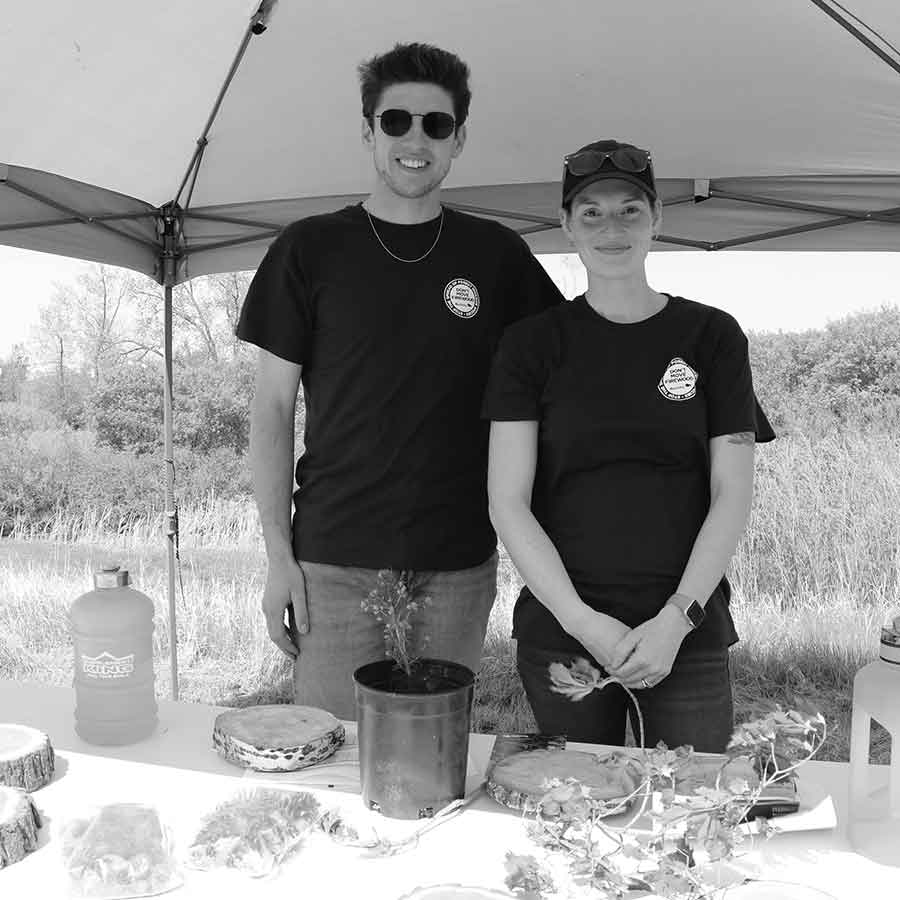
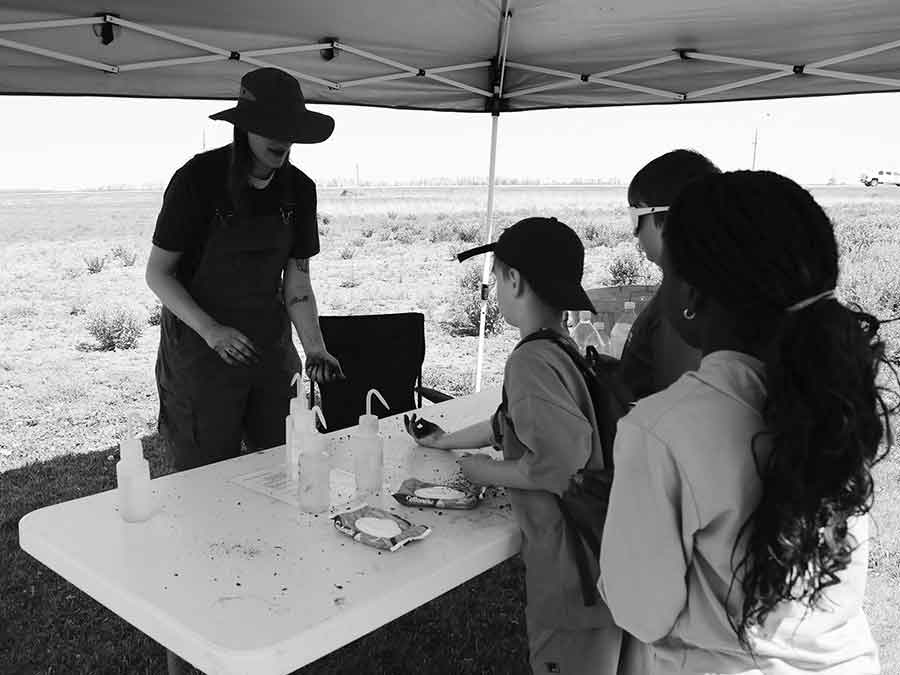
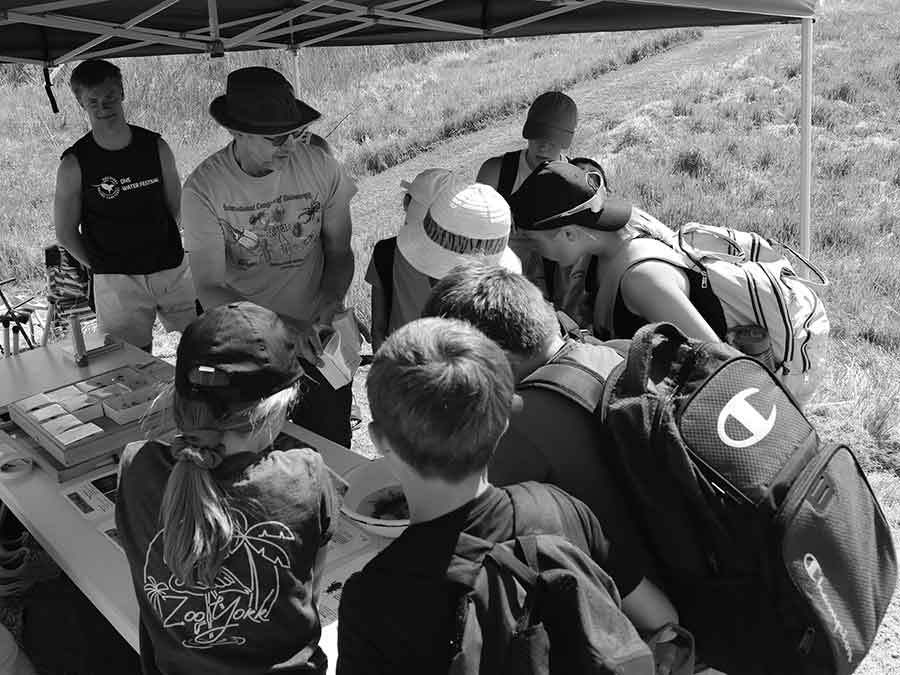
Gr. 4 students from Pine Ridge Elementary, Winkler Elementary, and Minnewasta schools trekked all over the Winkler nature preserve to take part in hands-on activities at six different educational stations.
“They’re learning about the water cycle, about plants, we’ve got some critter dipping where they get to identify what they find in the water, and they’re learning about freshwater and just how valuable it is—it’s less than one per cent of all water on the planet,” shared organizer Renee Penner. “So it’s getting them thinking about that and learning to appreciate water, to respect it, and how their actions can potentially impact the way water is being used.”
It took nearly 40 volunteers to pull off the event, working both behind the scenes and at the various stations.
“Every station has a bit of a lesson and then a lot of them have a hands-on activity component as well,” Penner said. “We have people from Manitoba Forestry here, Manitoba Agriculture, and we have lots of help from the staff at the Manitoba Association of Watershed, staff from the Pembina Valley Watershed District … we’re very grateful to have them all come and spend a very hot day outdoors with us.”
Manning the “Dig It” station was Tiffany Hemphill from Hemphill Seeds. She brought along a few different types of soil for the kids to get their hands on to feel the differences between them.
“And we talk a lot about farming, so I show them how much a bushel of wheat is and how farmers measure their harvest,” Hemphill explained, then gesturing to a row of bottles filled with different colourful materials. “And this is the amount of nutrients that it takes to grow one bushel of wheat.”
Down the trail, Shay Gaunt and Ty Funk with Manitoba Forestry were talking to the kids about the different types of trees they might encounter while out on a walk.
“The difference between coniferous and deciduous trees, how to age the different trees, and the different parts of the tree,” said Gaunt, noting the kids were all quite engaged and excited to be learning outside in the sunshine.
“We’re providing them each with some seedlings so that they can plant some trees themselves,” she added.
One of the final stations before the students headed back to the classroom had them running around making a bracelet representative of the hydrological cycle.
“The idea is they’re each an individual water molecule and they’re travelling their own personal unique journey through the water cycle,” explained Lynda Nicol, executive director of the Manitoba Association of Watersheds, as kids rolled giant dice to see where their molecules would go next. “They stop at each station and they take a bead representing soils, lakes, animals, groundwater … everybody ends up with a unique bracelet at the end.”
The DNS hopes to make the Water Festival an annual event.