As floodwaters filled her basement late June 9, Corinne Lothian spent the night desperately trying to save her family’s Stonewall home.
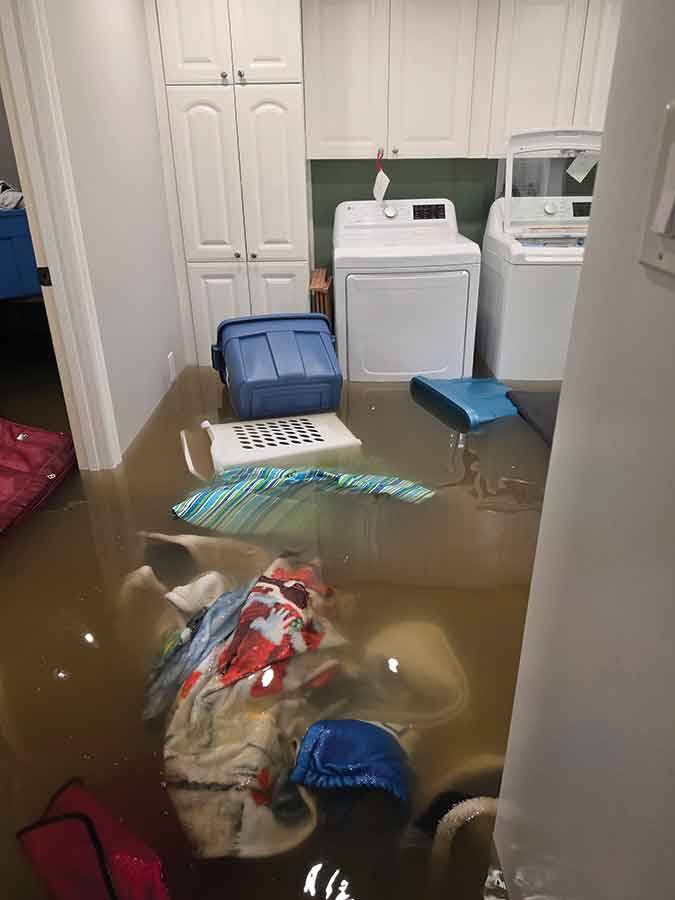
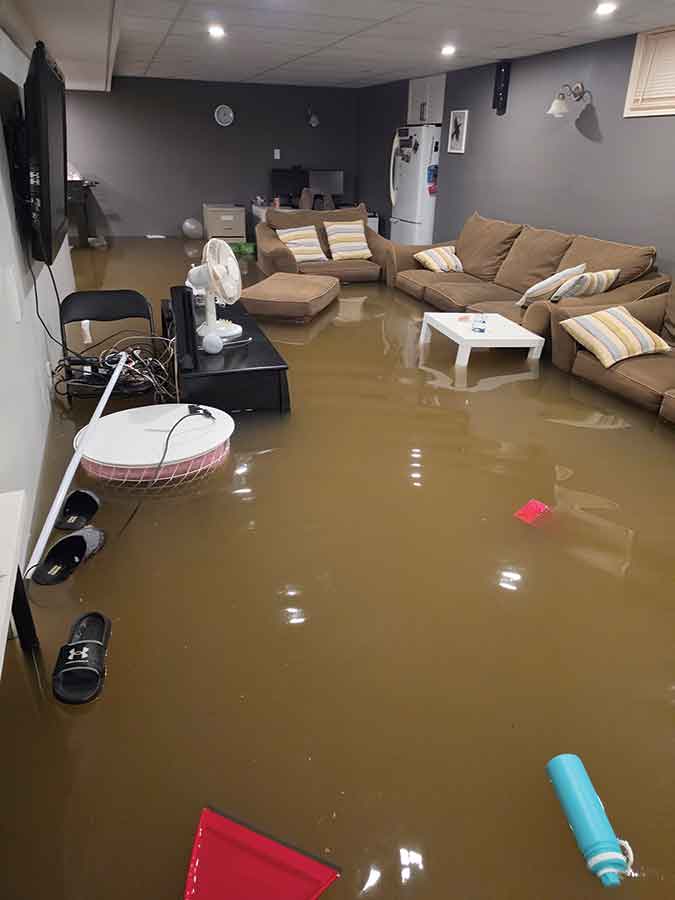
Floodwaters left a trail of destruction in the basement of Chris and Corinne Lothian’s Stonewall home, damaging furniture, electronics, appliances and irreplaceable family mementos. The family estimates the storm caused more than $90,000 in damage
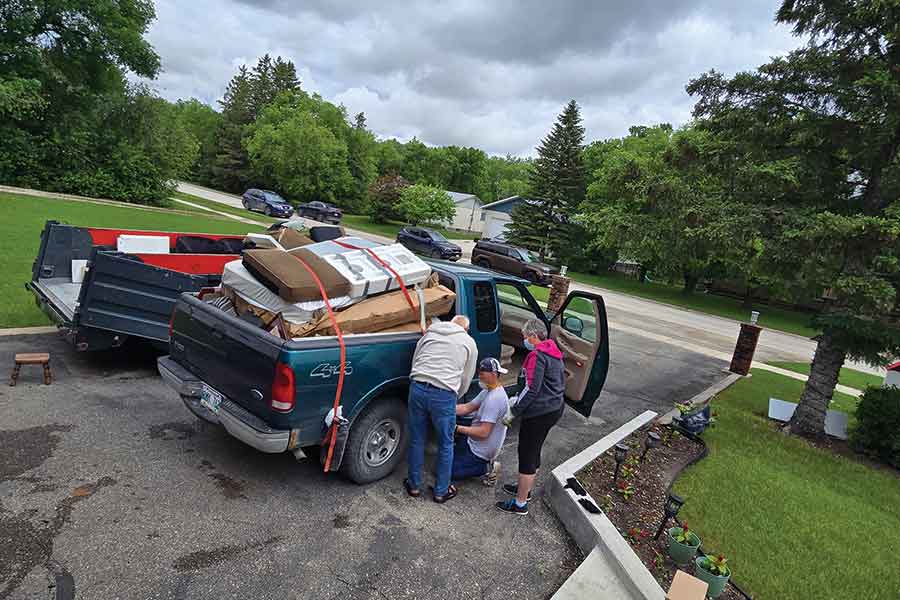
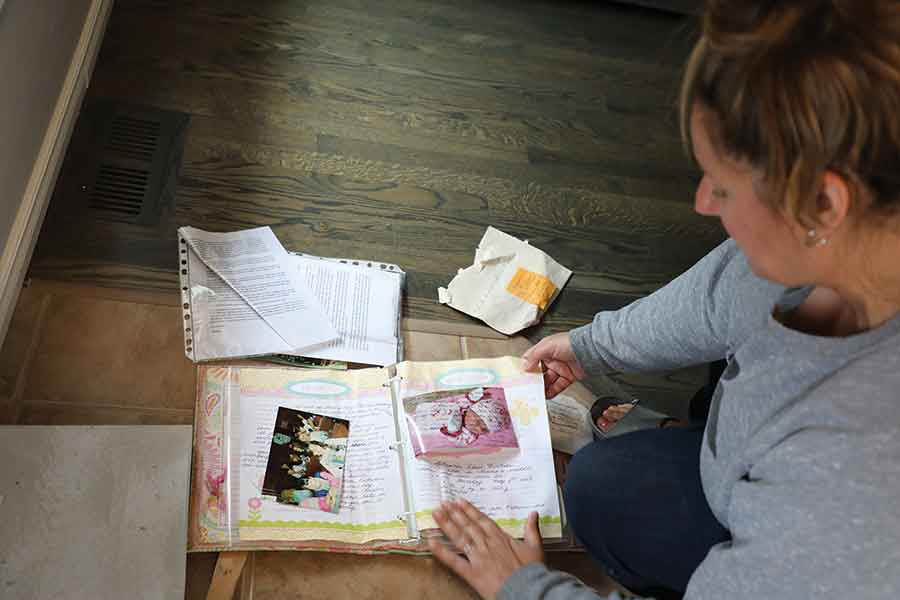
By sunrise, nearly 17 inches of sewer water had flooded the basement, damaging a recently renovated bathroom, appliances, furniture and irreplaceable family keepsakes.
Less than 48 hours later, she and her husband were awakened by smoke alarms and the smell of burning electrical wiring located in the basement.
“We really need to catch a break at some point,” Lothian said.
The Lothians were among hundreds of residents affected after Stonewall was inundated by more than 255 millimetres of rain between June 9 and 10, one of the most significant rainfall events in the community’s history.
Lothian said her family remained dry until about 10 p.m. June 9. While keeping an eye on severe weather alerts and tornado warnings, they noticed the basement toilet “burping” air and the nearby sewer drain beginning to overflow.
“The basement shower started backing up and spilling out of the shower pan onto the floor,” she said.
At first, the flow was manageable.
“Within 10 minutes, the force of the backup was unmanageable.”
Using pieces of eavestrough, the family attempted to divert water into the sump pit while bailing continuously and building makeshift berms around the basement.
By 11:30 p.m., the entire basement was underwater.
“The carpet was lifted and items were floating,” she said.
As the water continued rising, family members exchanged messages and advice through a group chat. Her father-in-law reminded them to shut off power to the heated tile floor in the basement bathroom before it became submerged.
At midnight, with water approaching the height of the baseboards, Lothian set out in search of another pump.
She drove through flooded streets littered with abandoned vehicles and made her way to Home Hardware after seeing social media posts that the store had opened to help residents.
“I parked at the RCMP and waded through water knee-deep to get to the door before being turned away. Nothing was left.”
Cold, soaked and empty-handed, she returned home.
“I watched the water from the top of the stairs creep up over the bottom stair mark.”
Relief finally arrived after a social media post from fellow resident Lynne Thompson, who offered an extra pump.
Lothian picked it up shortly after 1 a.m. and had it running by 2:30 a.m.
She remained awake all night monitoring hoses and pumps while watching floodwaters continue to cover neighbourhood streets.
“I met with neighbour Vern who was up and under water. The water in the flooded street went up to his garage door.”
At 5 a.m., another social media post led her to Big Block Construction, where she managed to purchase one of the last available pumps and hoses.
By 7 a.m., the water level finally began to fall.
The cleanup revealed extensive damage.
Among the losses were a furnace, hot water tank, freezer, refrigerator, furniture, flooring, electronics, luggage, seasonal clothing and a bathroom renovation completed in 2025 at a cost of approximately $30,000.
Sentimental items were also destroyed, including wedding mementos, childhood keepsakes belonging to her daughters and gifts from family members who have since passed away.
“My daughters’ baby books, mementos from grandparents that have passed, including blankets and artwork.”
Lothian estimates the damage exceeds $90,000. Her sewer backup insurance coverage is approximately $10,000, less the deductible.
“My estimate was $90,000 in damages. We are covered for $9,000.”
Just as cleanup efforts were getting underway, another crisis emerged.
The family’s daughters had been sent to stay with relatives in Winnipeg so they could shower, do laundry and escape the chaos.
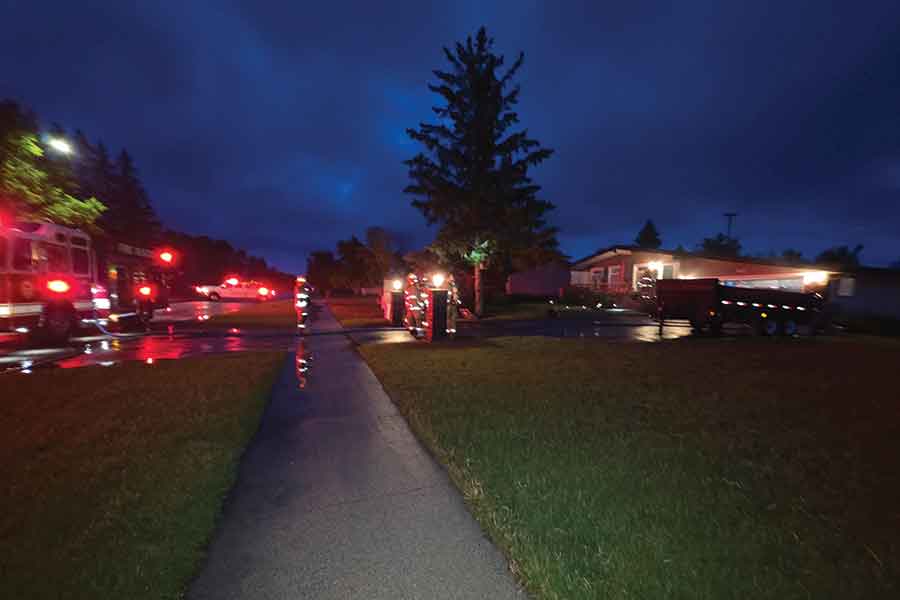
At about 4 a.m. June 11, Corinne and her husband awoke to smoke alarms and the smell of burning electrical equipment.
“We could hear popping sounds like an explosion was imminent.”
The source was eventually traced to lithium batteries stored in a utility room later ignited.
Using fire blankets and an extinguisher, the couple managed to contain the situation until emergency crews arrived.
“It was pouring rain. We met fire and paramedics outside in our pajamas.”
Lothian credits firefighters with saving their home and praised emergency responders for their quick actions.
“If it had been the batteries on the shelf, or batteries not contained within the metal tool cabinet, the fire would have easily spread.”
The fire caused smoke damage throughout the home, adding another layer of cleanup to an already overwhelming situation.
“The lithium smell lingers and penetrates everything.”
As cleanup continued, the family learned they would also have to replace their furnace. The motor and insulation had been submerged during the flood, the electrical control board was damaged, and mould spores had entered the home’s air system, leaving replacement as the only viable solution.“It’s just one more thing on the list,” Lothian said.
Throughout the ordeal, Lothian says support from family, friends, neighbours and local businesses has helped carry the family through.
She credits Lynne Thompson for lending a pump, Big Block Construction for opening early, G & A Equipment for providing emergency rentals, and local contractors and firefighters for guidance and assistance.
“Seeing our town rally in many ways is helpful.”
Despite everything, Lothian says her family’s thoughts remain with others facing even greater losses.
“We live a comfortable life, with good-paying jobs and we live within our means. Our hearts ache for those who have lost so much, including their jobs.”
“There are so many people who have lost their entire homes and who live closely to their paycheck.”
After 18 years in Stonewall, she says her family has no intention of leaving.
“We love Stonewall. We’ve been here for 18 years. This is our forever home.”
But she hopes the disaster sparks conversations about infrastructure improvements and drainage solutions that could help protect homes in the future.
“We need some changes to help us stay here. Emotions are running high, but having the town support those changes, or additional infrastructure, would certainly be a game changer for the future.”