Morden area residents will be paying a minor amount more in school taxes in the year ahead under a new Western School Division budget that aims to do more for students with just a bit more provincial funding.
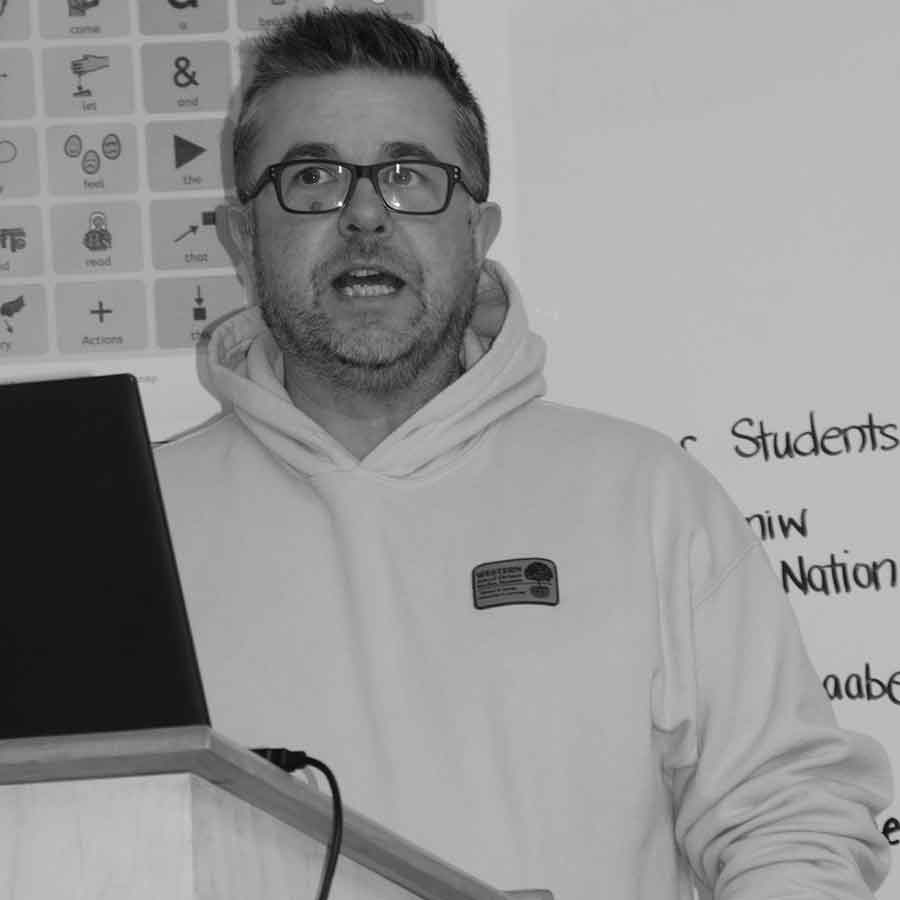
Western School Division board chair Darcy Wolfe noted there are a lot of inflationary pressures each year as they draft the budget
At a public meeting last Wednesday, the board introduced a budget with projected revenues of $36.6 million and expenditures of about $35.7 million, which leaves a surplus of around $535,000 after about $357,000 is transferred to capital.
The mill rate, which determines the education taxes, is increasing to 14.61, which is a rise of 6.8 per cent, so it will have a varying impact on the tax bills this coming year.
“People will see a modest increase in their school tax bill,” said board chair Darcy Wolfe, who noted a provincial rebate of $1,600 that comes off the taxes will help quite a bit.
“We do have a few new expenses in Western School Division. A lot of it has to do with school staffing, staffing increases, harmonization costs with the teacher contract and a number of other things that the schools, division and board identified that were priorities,” he said. “Things like new buses, which are definitely not cheap to purchase, new school equipment, technology equipment, some other staffing positions.
“And obviously there’s a lot of inflationary pressures that come every year,” Wolfe added. “It’s impossible to do everything we would like to do. Our ratepayer can only handle so much, right, so we don’t want to tax them too much.
“As a board, we look at these expenses as an investment into our students, into our community … we do try to be very mindful of the way that we spend our money and only spend it on things that are actually needed and things that are important.”
The budget is supporting a growing division, which is projecting an overall enrolment increase to over 2,400 students for the 2026-2027 school year.
Provincial funding represents just under 70 per cent of revenues with municipal taxes coming in at just over 29 per cent and other sources around one per cent.
The provincial funding comes in at about $15.7 million, a 2.4 per cent increase at $426,710. The expenditures have salaries and benefits representing 83.76 per cent of the budget with transportation and operations at 7.02 per cent, instructional support at 6.34 per cent, tax and interest at 1.71 per cent, division administration at 0.87 per cent and adult and community education at 0.30 per cent.
In the end, it means a home assessed at $382,000 will see its 2025 school taxes of $849.87 after rebate increase to $911.46 after rebate—an increase of $61.59 in school tax per year.
On a quarter section of RM of Stanley farmland valued at one million dollars, the 2025 school taxes of $3,554.20 will increase to $3,798.60 for a rise of $244.40. And a business assessed at $350,000 will see its 2025 school taxes of $4,959.05 jump to $5,008.87 for an increase of $49.82.
Wolfe noted the proposed budget takes into account feedback from the public budget survey, which identified a number of key community priorities, including:
• Maintain adequate staffing levels.
• Priorize technical and vocational and real world learning.
• Pursue a new high school and École Discovery Trails addition.
• Ensure continued excellence in curricular programming and high quality teaching practices.
• Exemplary student academic achievement and access to mental health resources.
As a result, some of the main focus areas for expenditures include the following:
• Investments in wages and benefits for the staff.
• New teacher positions, more educational assistant hours and other new staff positions to properly support the growing population.
• New buses/vehicles, cafeteria equipment, science lab, security cameras and other technology.
• A small surplus so that the division can respond to unanticipated and emergent needs next year.
Other key specific items include:
• Additional educational assistant hours based on anticipated programming needs.
• A workplace safety and health officer position.
• Funding to continue to support an in house behaviour consultant and staff training.
• Investments in wage and benefit increases for staff.
• Harmonization costs for teachers with provincial funding support only covering about a third of the cost to the division.
• Increased instructional coach time allotment.
• Inflationary increases on fuel, utilities and insurance.
• Investments in information technology devices and infrastructure to support learning.
• Funding to support board priorities initiatives.
• Upgrades to the MCI/ÉMMS cafeteria.
• Transportation – new buses.
• Custodial and maintenance vehicle purchases.
• Capital upgrades to schools.
• Security cameras.
• Science lab equipment.