A month-long Antarctic cruise gave four Gimli travellers the opportunity to experience towering glaciers, remarkable wildlife and some of the most remote waters in the world.
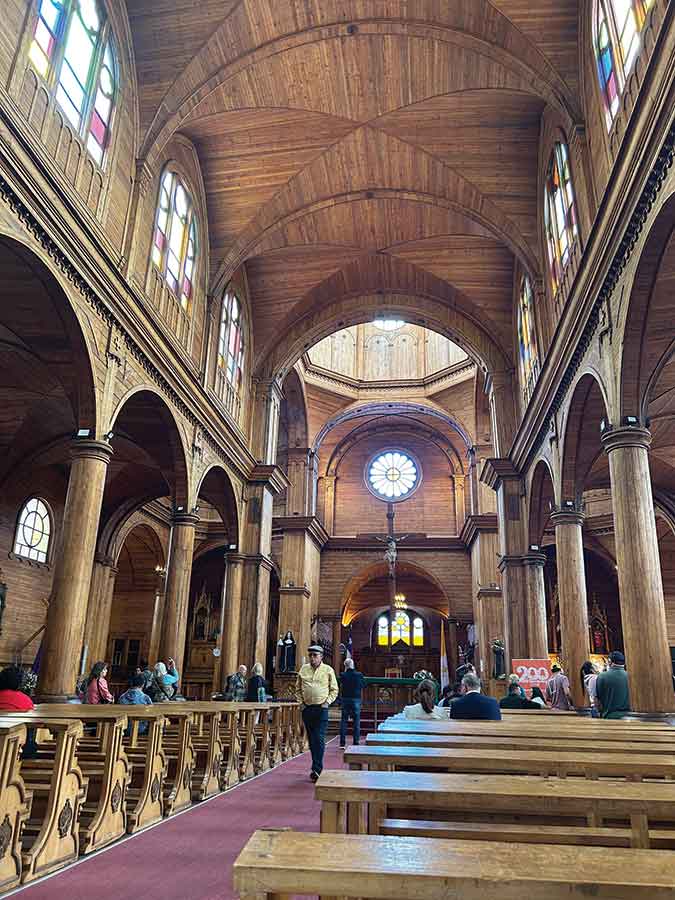
Cathedral of San Francisco. Famous for its extensive wooden construction, including the vaulted wooden ceiling and columns
Don and Gail Hurak, along with Randy and Chris Swanson, recently returned from an extensive South American and Antarctic voyage that took them through Brazil, Uruguay, Argentina, the Falkland Islands, Antarctica and Chile.
The journey began with a lengthy series of flights from Winnipeg to Toronto, New York and finally Rio de Janeiro, Brazil. The group intentionally built extra time into their schedule before boarding the cruise ship to allow for potential travel delays and to explore Rio’s famous attractions.
“We allowed an extra day in Rio in case we ran into issues with connections, flight cancellations or delays,” explained Swanson following the trip.
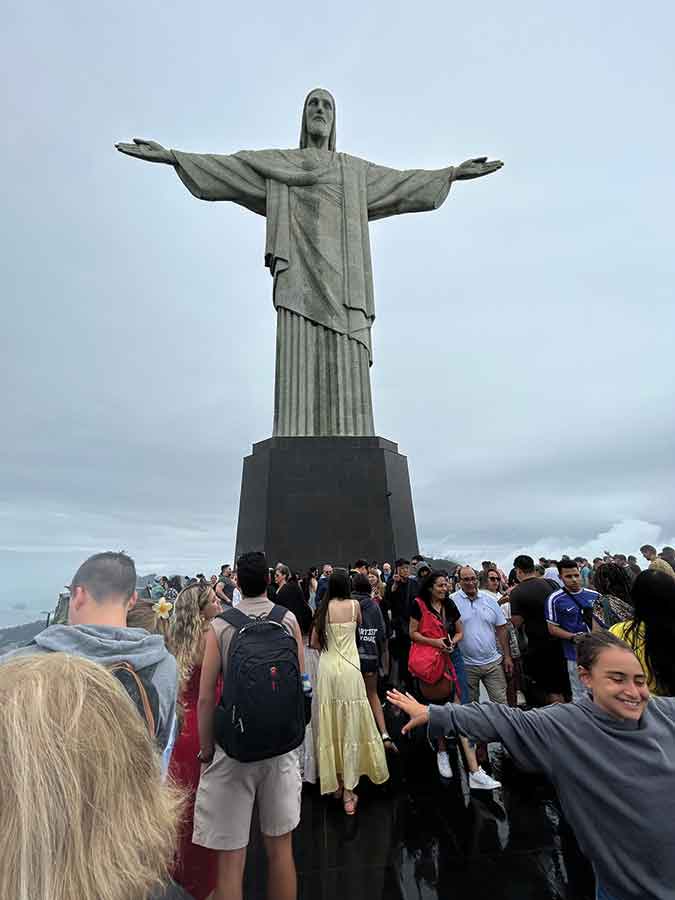
While in Rio, the group visited landmarks including the world-famous Copacabana Beach and the Christ the Redeemer statue, while also taking in panoramic views of the city from a cable car excursion.
For the travellers, Christ the Redeemer was one of the most memorable highlights of the entire trip, rivalled only by Antarctica itself.
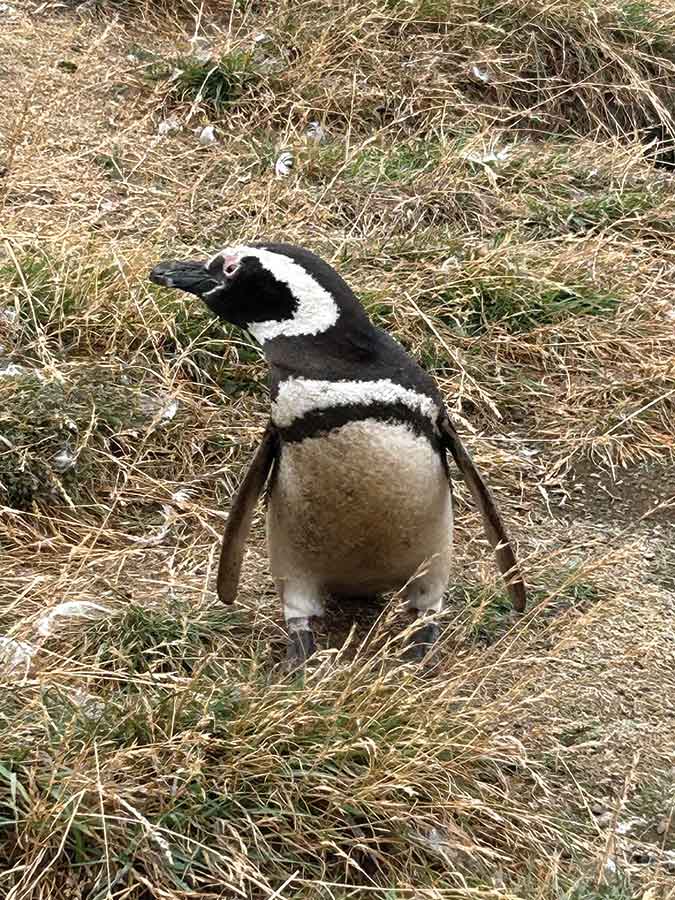
“Kind of a tie between Christ the Redeemer in Rio, the gigantic and immense ice formations and the sanctity of land and sea so amazingly sequestered from human contact,” Swanson said. “Of course, walking among penguins was unbelievable.”
From Rio, the cruise travelled south along the Atlantic coast with stops in Brazilian ports including Ilha Grande, Sao Paulo and Balneario Camboriu before continuing to Montevideo, Uruguay, Buenos Aires and Port Stanley in the Falkland Islands.
The travellers then crossed the infamous Drake Passage twice while making their way to Antarctica.
“Bring Gravol or something stronger if you have a queasy stomach,” they noted. “The passage can be ‘lumpy’ to say the least.”
Despite the notoriously rough waters, none of the four travellers experienced motion sickness.
“The biggest challenge was avoiding stepping on deposits made by those that did have motion sickness,” Swanson joked. “You knew rough seas were coming when the ship’s crew started putting barf bags in stations all over the boat in common areas.”
Although strict environmental protections prevented passengers from setting foot on the Antarctic mainland, the group still spent more than three days cruising among islands and along the northwestern Antarctic Peninsula.
“As the various countries that govern Antarctica are strict and guarded about who can set foot on the lands, we had to settle with watching all the wildlife and other sites from our ship,” they said. “Still, we were treated to spectacular sights.”
Seeing Antarctica for the first time left a lasting impression on the travellers.
“Words we used to describe it were spiritual, goosebumps, again land untouched, free of human contact,” Swanson said.
The cruise also included stops in Ushuaia, Punta Arenas, Puerto Chacabuco, Castro, Puerto Montt and San Antonio before the group disembarked and travelled inland to Santiago, Chile.
Not every stop went as planned. Weather conditions shortened the group’s time in Port Stanley and resulted in the cancellation of a stop in Ushuaia.
“For those considering this cruise, bear in mind that you are in Cape Horn and the Drake Passage environs, meaning weather and heavy winds will have a lot to do with what you see and experience,” they noted.
One of the highlights for many passengers was a series of onboard seminars led by experts on Antarctic wildlife, birds, penguins and the region’s geography.
“Nothing can replace seeing wildlife in its own environment,” they said.
The travellers were fascinated by what they learned about the region’s wildlife, particularly the incredible journeys made by birds and penguins.
“Albatrosses have been known and tracked flying completely around the globe, and penguins can travel such long distances to eat and bring food back for their young,” Swanson said.
The group also reflected on the practical realities of international travel, noting that larger cities throughout South America shared many similarities with urban centres around the world.
“People on the street were generally very helpful,” they said, adding that Google Translate became a valuable tool while travelling through Portuguese- and Spanish-speaking regions.
The voyage around the southern tip of South America and into Antarctica had long been a bucket-list adventure for the group.
“Why this trip? The adventure of going around the southern tip of South America, and it was a bucket-list item,” Swanson said.
While the travellers expected some similarities to previous trips to Iceland, Antarctica’s vast scale offered a different perspective.
“All of us having been to Iceland, the land forms, ice and lack of foliage were expected, but seeing it all from the deck of our ship gave for more panoramic experiences,” Swanson said.
The travellers also shared several tips for others considering a similar adventure, including researching vaccination requirements, packing carefully for varying climates, limiting luggage where possible, preparing for changing weather conditions and beginning travel planning well in advance.
“We would advise anyone going on this trip to do their research ahead of time, check weather forecasts, plan for various modes of dress, be prepared for excursions being cancelled due to weather and start planning at least a year in advance,” Swanson said.
“The walk from the plane to the baggage claim in Rio was roughly three kilometres,” he added with a laugh.
While the group was awed by Antarctica’s beauty, they also observed evidence of environmental change.
“It is sad to see glaciers retreating knowing that it is because of us,” Swanson said. “The evidence of retreat is easily visible as it is in Iceland.”
Despite occasional weather disruptions and long travel days, the Gimli travellers described the journey as an unforgettable opportunity to witness some of the world’s most unique landscapes and wildlife firsthand.