Residents gathered at the Lakeshore Family Resource Centre on May 5 for a Red Dress Day event in Ashern, bringing the community together for a day of remembrance, reflection and awareness of Missing and Murdered Indigenous Women, Girls and Two-Spirit+ people.
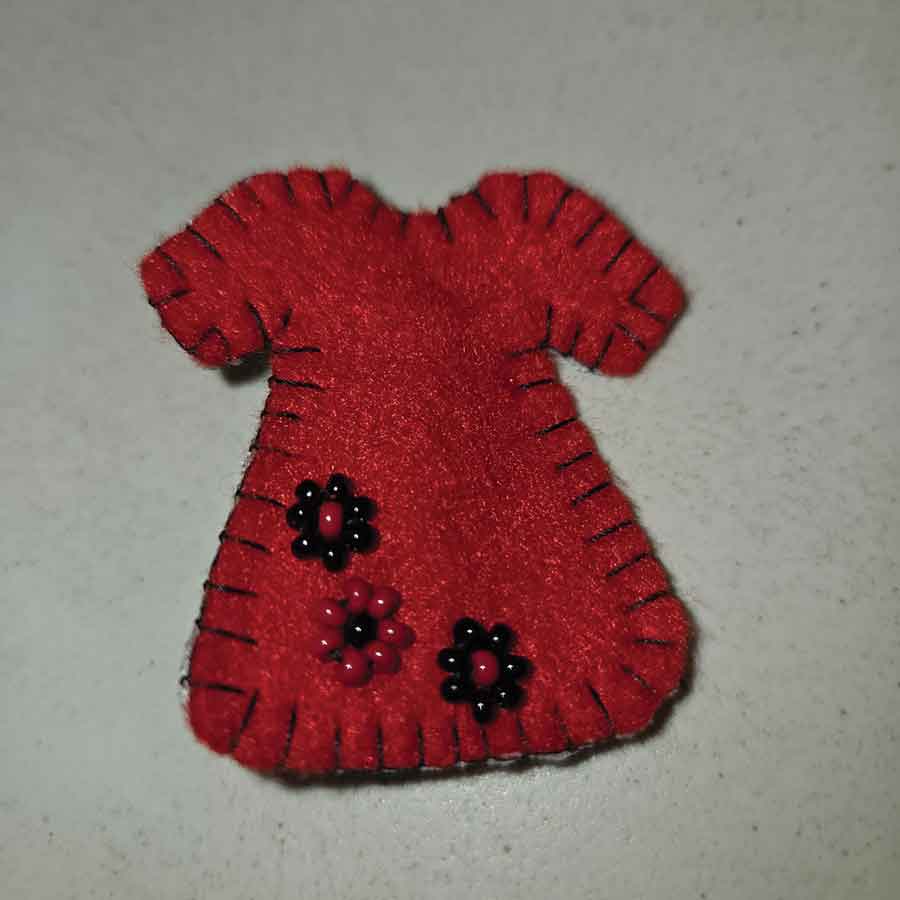
The Lakeshore Family Resource Centre hosted a series of events honouring Red Dress Day on May 5, including a walk-through display of red dresses and a guided beading workshop
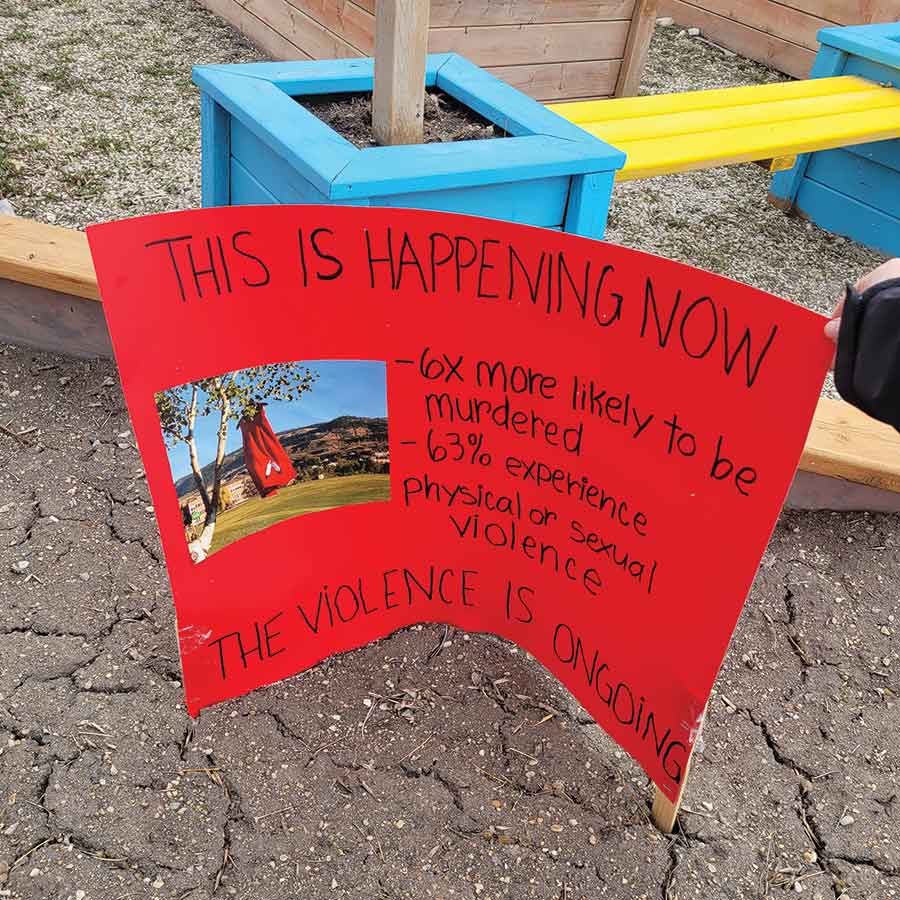
The event featured a red dress installation displayed outside the centre and a guided beading circle, with participants invited to walk through the installation, leave messages and take part in creating red dress pins.
Organizer Megan Harrison, the centre’s new group facilitator, said the event was rooted in the REDress Project created by Manitoba Métis artist Jaime Black.
She explained that the installation was intended to “make the invisible visible,” with red dresses acting as a visual reminder of the disproportionate violence faced by Indigenous women, girls, two-spirit and gender-diverse people.
“It is so important for our communities to recognize Red Dress Day because it is a crisis that is not only on the national level but the local level as well,” she said. “Rural areas often face systemic gaps in safety, such as limited public transportation and slower police response times. Recognizing this day supports advocacy for tools like the Red Dress Alert — a proposed emergency notification system similar to an Amber Alert, designed to quickly notify the public when an Indigenous person goes missing.”
She noted her goal for the day was to convey powerful, multi-layered messages of remembrance, collective responsibility and support for Northwest Interlake Indigenous families.
She said the red dress installation was meant to be an emotional experience for visitors, explaining, “The empty red dresses are designed to be startling and evocative, prompting a deep emotional realization that each garment represents a vibrant life of someone who should be there to wear it but is missing due to systemic violence.”
The beading circle offered participants a chance to create red dress pins while learning and sharing in a collective space. Harrison said the activity was designed so participants could share stories and process grief in a supportive environment, turning each pin into a “sacred witness” for those who are missing.
Participation played a central role in the event’s impact, as Harrison highlighted the importance of reflection spaces, saying they allow “truth to be spoken and systemic change to be action-oriented.”
Looking ahead, she said she hopes the event inspires continued engagement and advocacy, while fostering a profound sense of connection, responsibility and empowerment.
Beyond awareness, she hopes participants were inspired to take action on the 231 Calls for Justice, either through support or advocacy.
Reflecting on the day, she said the turnout and participation were deeply meaningful.
“I think the event went great — the community showed up and supported us,” she said. “It was a very touching experience to witness everyone come out, walk through the installation and show their support for a cause that is so personal to me.”
She added that the beading workshop was fully attended and described the outcome as lasting.
“The community response was incredibly moving and deeply felt,” she said. “These moments proved that Red Dress Day in Ashern wasn’t just an event but a significant collective promise to ensure our missing and murdered loved ones are never forgotten.”
She said she hopes the event becomes an annual tradition, emphasizing that honouring Red Dress Day on May 5 provides a space to heal, discover and reconcile.
“Ultimately, it’s about accountability and healing,” she added. “Continuing the work until every person is safe and every family has answers.”