National Nursing Week offers an ideal opportunity to celebrate the vital contributions of nurses across the Interlake-Eastern health region and beyond.
This year, National Nursing Week runs from May 11 to 17. The theme is “The Power of Nurses to Transform Health,” which acknowledges how nursing leadership and expertise can create a lasting impact on health care.
For Selkirk-based nurse Geeta Cook, this year’s Nursing Week theme highlights the important role nurses play in improving care, shaping programs and creating positive change.
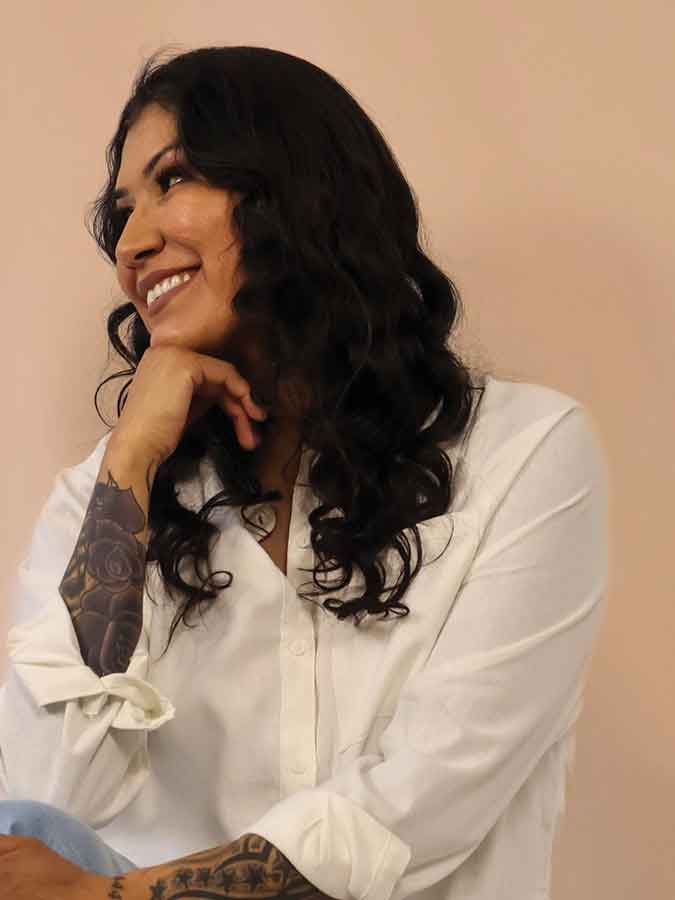
Selkirk-based nurse Geeta Cook is the regional director of mental health and addictions with Interlake-Eastern Regional Health Authority
“Nurses have a unique ability to combine knowledge, compassion and leadership to make a lasting impact,” she said.
Looking back, Cook knew from a young age that she wanted to work in a helping profession.
“I’ve always been naturally empathetic and drawn to supporting people,” she said, “so nursing felt like a natural fit for me.”
Today, Cook is the regional director of mental health and addictions with Interlake-Eastern Regional Health Authority.
“I oversee a range of mental health and addictions services across the region, supporting teams that deliver everything from crisis response to community-based care. A big part of my role is working with teams and partners to make sure services are accessible, coordinated and meeting the needs of the communities we serve,” she said.
“Throughout my career, I’ve been driven by a commitment to improving access to care, supporting vulnerable populations and contributing to meaningful system-level change.”
Part of this meaningful change includes her role in leading the development and launch of the Mobile Withdrawal Management Service. This program provides community-based withdrawal supports across five First Nation communities: Lake Manitoba, Lake St. Martin, Little Saskatchewan, Pinaymootang and Dauphin River.
“The service is delivered by a team that includes a nurse practitioner and two addiction nurses,” she said. “We provide moderate-acuity withdrawal support Monday to Friday through community visits, home-based care, clinic spaces and virtual support.”
Cook helped establish clinical policies and procedures, supported staffing and clinical readiness, and ensured the team was prepared to deliver safe withdrawal care in community settings. At the same time, she focused on early and ongoing community engagement.
“Before the launch, I focused on building relationships at the grassroots level, meeting with community members and leadership to establish trust and understand local needs. That engagement helped shape how the program was delivered and ensured it was responsive and culturally grounded,” she said.
“The program also reduces barriers to care by allowing self-referrals and strengthening access within community settings. Since the launch, all five communities have welcomed the service.”
As a result, the program has been able to establish clinic space and begin supporting community members directly where they are.
“As a Barren Lands First Nation member from a northern community, along with my lived experience and professional nursing experience, I bring a unique perspective to my role,” she added.
“I use that to improve accessibility, strengthen programs and help ensure services meet the needs of people and communities today.”
Cook has also been involved with medical withdrawal management services at Ashern’s Lakeshore General Hospital, which includes two dedicated beds. The team consists of a withdrawal addictions nurse, a social worker and a knowledge keeper.
“We are strengthening access to medically supported withdrawal management services within the region through a culturally appropriate, recovery-oriented model of care that supports individuals from acute care through to longer-term treatment and community supports,” she said.
Reflecting on her career journey, Cook said it all started when she earned her health-care aide certificate. Before long, she realized how much she enjoyed working in health care, and that passion led her straight to a bachelor of nursing program.
“My career has evolved from frontline nursing into leadership roles across mental health, addictions and Indigenous health,” she said. “I’ve worked in long-term care and acute care, and during the pandemic I supported isolation sites and remote First Nation communities, gaining valuable experience in public health and harm reduction.”
From there, she moved into leadership and policy roles, including work as a tribal nursing officer and senior policy analyst. That role focused on advancing First Nations health priorities and improving access to care. Most recently, Cook worked as a clinical specialist in addictions for Manitoba and Saskatchewan, which allowed her to provide clinical guidance and support the implementation of evidence-based approaches.
For anyone considering a career in nursing, Cook encourages them to follow their passion.
“My journey shows that nursing is a rewarding career that can open many doors, whether someone wants to remain in direct patient care, move into education, management, public health or specialized practice,” she said. “There is room to grow while staying connected with the purpose of helping others.”
For Cook, collaboration is the most important aspect of nursing within a health-care team.
“Nursing doesn’t happen in isolation — it’s part of a much larger team that includes health-care aides, physicians, allied health professionals and many other support roles such as housekeeping, administration and others who all contribute to patient care,” she said.
“No one works in isolation, and every role plays an important part in supporting the client’s journey.”
What she likes best about being a nurse is the direct connection with community members and the ability to make a meaningful difference in their care.
“When I reflect back to my time as a frontline nurse, the most rewarding part was bedside nursing, being present with people during some of their most vulnerable moments and being able to support them in a professional and compassionate way,” she said.
“As my career progressed, I started to see the bigger picture of how systems impact care. That’s what gradually shifted my focus from direct bedside nursing into leadership and system-level work, but that foundation of caring for people at the bedside is still what drives me today.”