The Balmoral 4-H Club is receiving national recognition — and new funding — for a youth-led initiative aimed at protecting one of agriculture’s most essential contributors: pollinators.
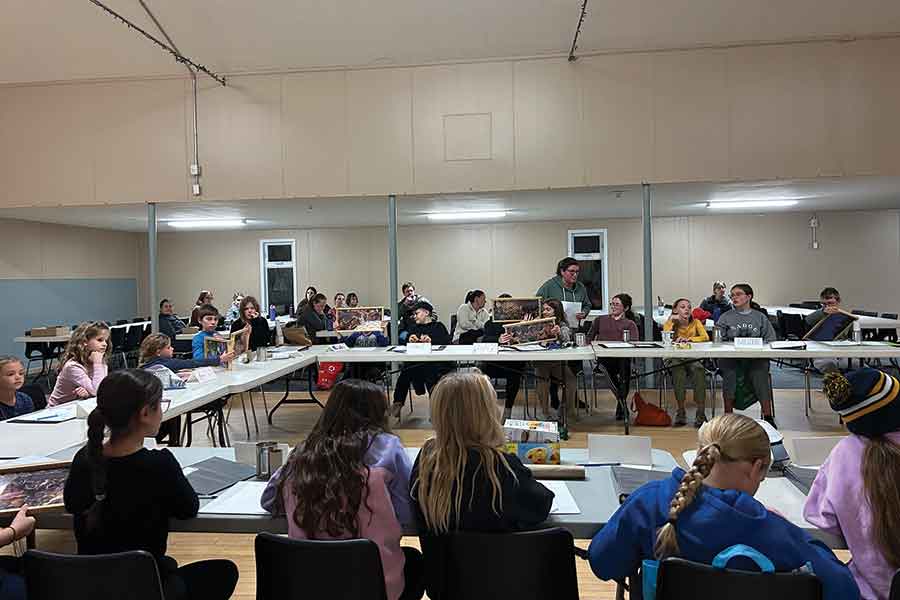
Balmoral 4-H members examine informational bee frames and displays lent by Bee Maid
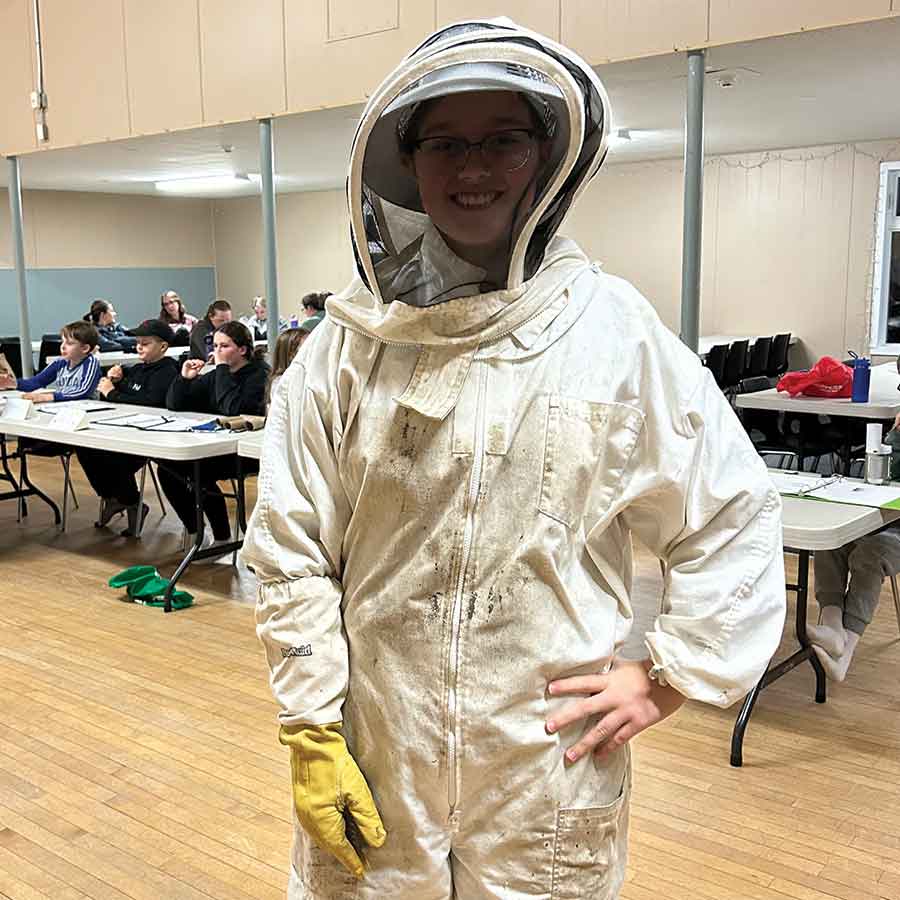
The club was recently named one of 13 winners in the 4-H Canada AgriFood Challenge, a national program that encourages young people to develop practical solutions supporting sustainable agriculture and food security in their communities. As part of the honour, the Balmoral club received a $500 grant to continue building on its work.
Their project, titled “Meet the Pollinators,” focused on educating members and the broader community about the critical role pollinators — particularly bees — play in food production and healthy ecosystems.
Across the country, 4-H participants tackled a range of sustainability challenges, including soil health, food waste reduction and food security. Projects included everything from building bee habitats and growing produce for food banks to teaching preservation skills. Balmoral’s submission stood out for its hands-on approach and strong educational component.
For local members, the project was both informative and interactive. Around 30 youth took part in activities designed to bring pollinator science to life.
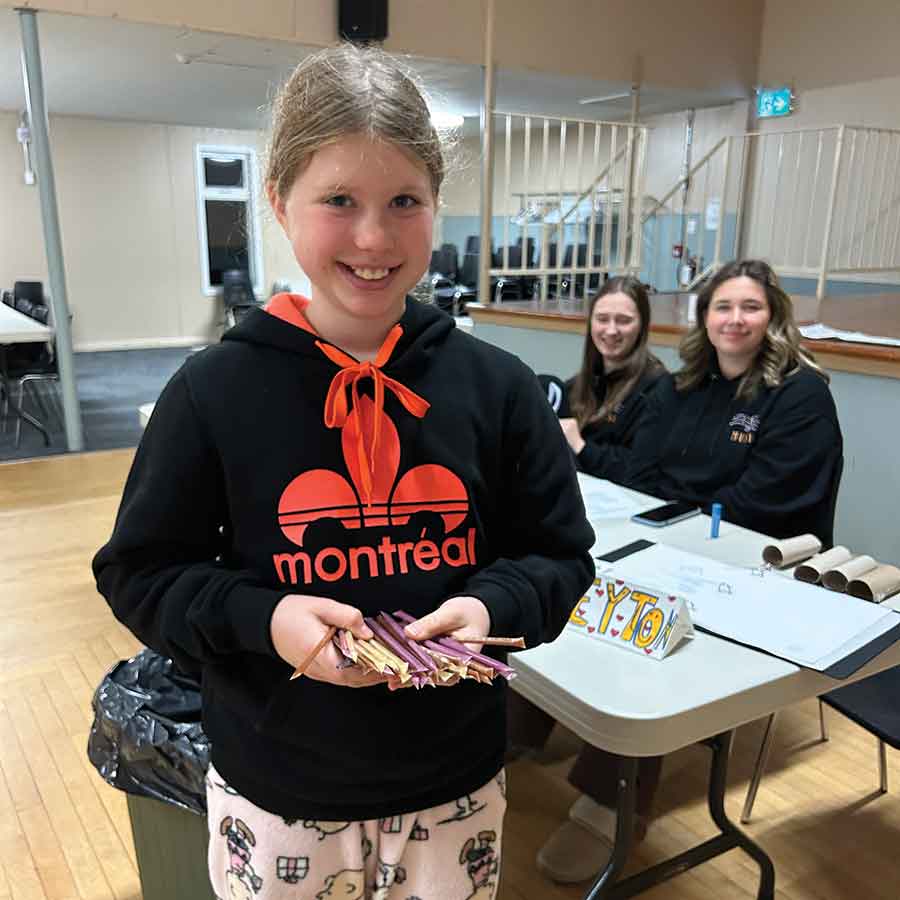
“Members had the chance to create bee houses made of materials from their house as well as try flavoured honey sticks,” said Melodie Versavel. “They also got to touch honeycomb and learn from informational displays about bees.”
One of the highlights for many participants was constructing their own bee hotels — small habitats designed to support solitary bees. The activity not only reinforced lessons about pollinator habitats but also gave members something tangible they could take home and use.
“Members enjoyed building bee houses the most,” Versavel said.
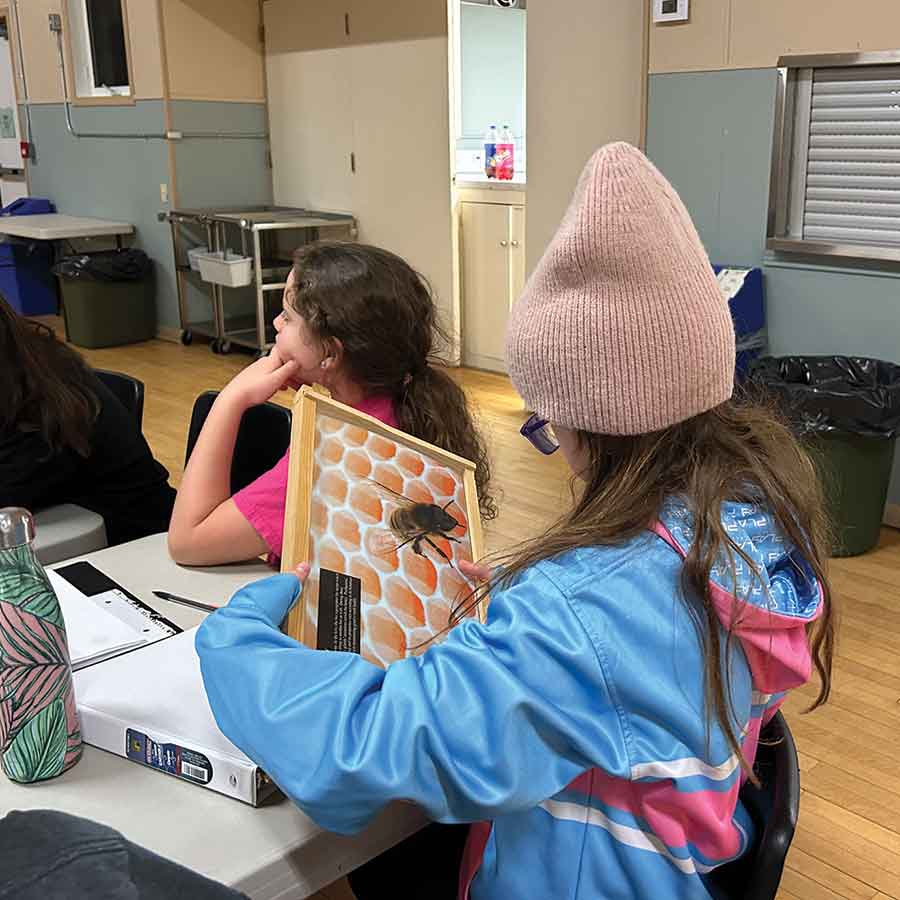
The club also benefited from local expertise. Presentations and materials provided by bee specialists gave members an up-close look at how bees live and work. Youth were able to handle real honeycomb and observe bee frames, helping deepen their understanding of pollination and honey production.
Peyton Marohn said the hands-on experience made the learning especially meaningful.
“Our club was able to hold real bee frames and learn about how honey is made,” Marohn said. “We also tried a bunch of delicious honey sticks and got to see pictures of bees in their hives.”
Through the project, members explored the life cycle of bees and learned how pollination directly impacts agriculture. The takeaway was clear: pollinators are essential to food production.
“Bees are very important because the pollen they accumulate while drinking nectar gets distributed onto crops, and that allows the crops to grow,” Versavel explained.
Marohn echoed that message, noting the broader implications for food security.
“Pollinators and bees are really important for our farmers, food supply and flowers,” she said. “Without pollinators, we don’t have food.”
Members also learned practical ways to support pollinator health in their own communities. Simple actions — such as planting native flowers, reducing pesticide use and leaving early-season food sources like dandelions — can make a significant difference.
“Please do not spray dandelions,” Versavel said. “They are the first food source for bees and one of the most important.”
Marohn added that small changes at home can have a lasting impact.
“We learned ways to protect pollinators like not using chemicals on our grass and planting native flowers,” she said. “You can also leave water out for pollinators so they have somewhere to drink.”
As part of the initiative, each 4-H member received pollinator-friendly seed packages to plant this spring, extending the project’s impact beyond meetings and into the wider community.
The national recognition has been a source of pride for the club, which saw full participation from its membership.
“It was nice to be recognized nationally and everyone was excited,” Versavel said.
The $500 grant will help the Balmoral 4-H Club continue its work, with members already looking at ways to expand their efforts and further support pollinators locally.
Beyond the funding, the project has reinforced a broader message about youth leadership in agriculture and environmental stewardship. By combining education with action, Balmoral 4-H members have demonstrated how small community-based initiatives can contribute to larger conversations around sustainability and food security.
As the growing season approaches, the club hopes its message resonates throughout the community.
“We need to work together to protect pollinators so they can pollinate our food,” Marohn said.
With enthusiasm, creativity and a strong commitment to learning, Balmoral’s young 4-H members are proving that even small projects can have a meaningful impact — both locally and nationally.